Introduction
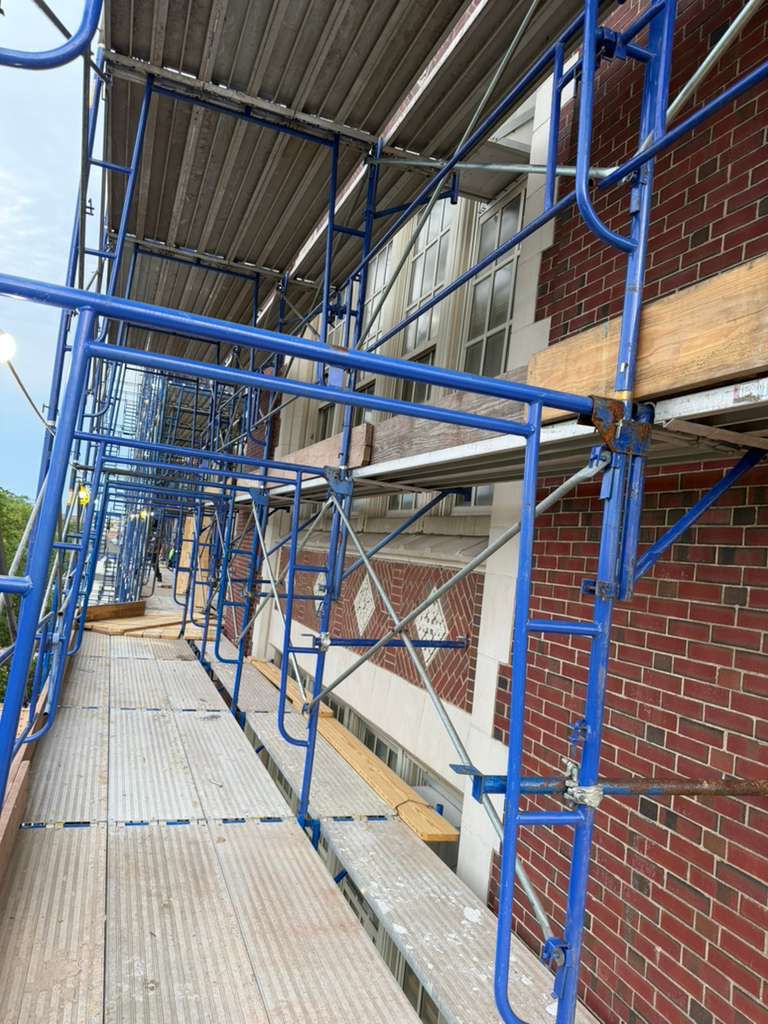
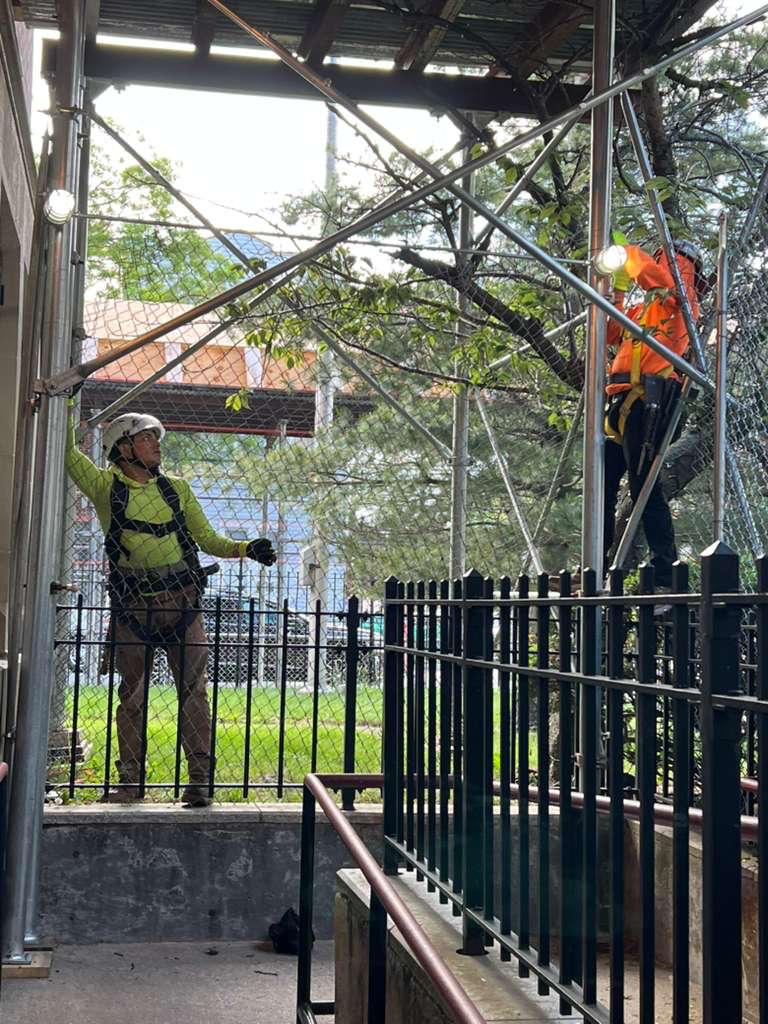
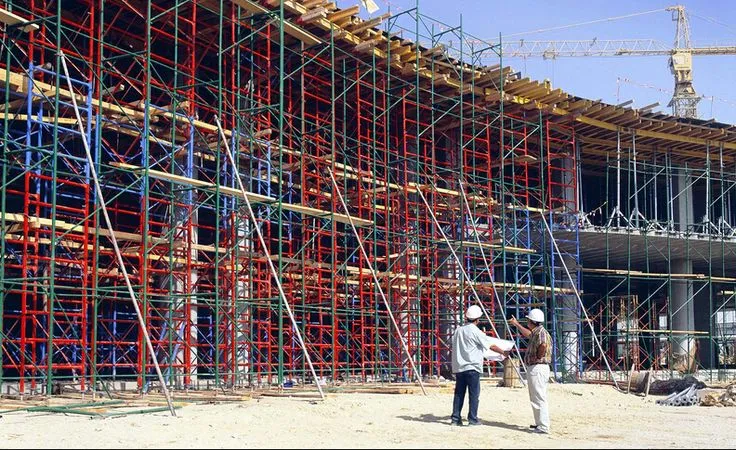
Scaffolding is foundational in Brooklyn’s urban development, where constant restoration, high-rise construction, and strict building codes demand robust vertical access solutions. From historical buildings in Park Slope to modern developments in Downtown Brooklyn, scaffold structures ensure both worker safety and pedestrian protection.
With thousands of active construction sites, hiring a licensed, insured, and compliant scaffolding contractor is not only essential for efficiency but also a legal requirement under New York City law.
Key Services Offered by Brooklyn-Based Scaffolding Companies
Most scaffolding providers in Brooklyn offer a full range of services. These generally begin with scaffold design and installation, ensuring structures are engineered for safety and compliance. Once the scaffold is no longer needed, they manage full dismantling and debris removal.
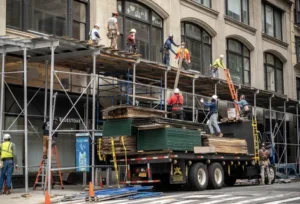
A major component is installing sidewalk sheds, which are frequently required by Local Law 11. These overhead platforms protect pedestrians from falling debris during facade or roof work.
Scaffold rental is also a common service. Brooklyn companies provide materials such as pipe scaffolding, modular systems, safety netting, guardrails, toeboards, and aluminum or steel decks. Some also include hoists and elevator access for multi-story buildings.
Legal Compliance NYC Scaffold Codes and Construction Law
Every scaffolding system in Brooklyn must comply with OSHA regulations and the NYC Department of Buildings DOB requirements. For buildings over six stories, Local Law 11, also known as the Facade Inspection and Safety Program FISP mandates frequent inspections and protective sidewalk sheds.
If a scaffold exceeds 40 feet in height, companies must employ licensed riggers, either Special Riggers or Master Riggers approved by the NYC DOB. Additionally, firms must carry updated general liability and workers’ compensation insurance.
Failure to meet these standards can result in DOB violations, stop-work orders, or steep fines, making it vital for contractors and building owners to verify the credentials of any scaffold company they work with.
Leading Scaffolding Companies Serving Brooklyn, NYC
Several scaffolding providers have built strong reputations across Brooklyn neighborhoods, including Williamsburg, Flatbush, Bushwick, and Brooklyn Heights.
Core Scaffolding stands out for its rapid installation and strong regulatory compliance, while Silvercup Scaffolding is known for large-scale commercial projects and advanced safety systems. Best Sidewalk Shed and Scaffolding focuses on affordability and sidewalk protection platforms ideal for smaller residential and renovation jobs.
Other reputable names include Brooklyn Sidewalk Shed and Scaffolding, which handles turnkey installation and permit acquisition, and Prime Scaffold NYC, which covers all boroughs with a large inventory and experienced crew.
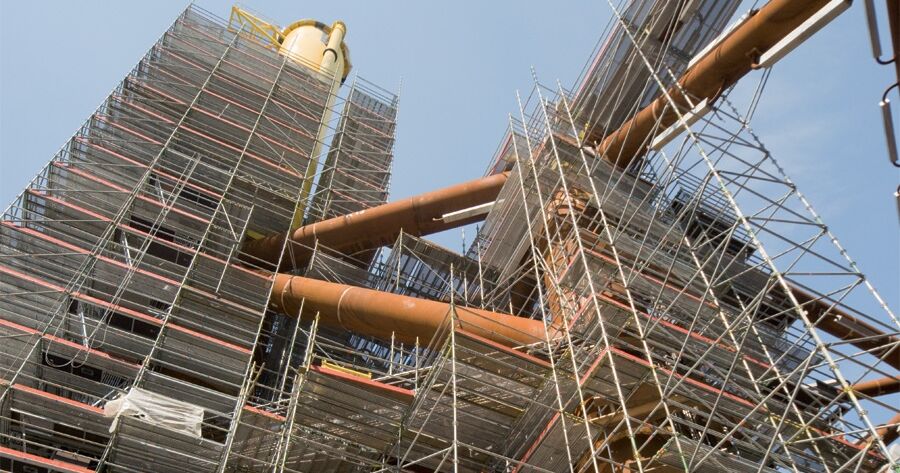
These companies provide everything from temporary scaffolding for short-term renovations to complex system scaffolds for long-term development projects.
How to Choose a Scaffolding Company in Brooklyn
The first step is to verify that the company is licensed with the NYC Department of Buildings and has experience navigating the DOB permit system. They should also provide
- Active OSHA certification
- Clear insurance documents
- Past project portfolios
- Safety audits and documentation
Ask for detailed written estimates, including line items for rental duration, labor for installation or removal, and permit support. For larger jobs, check whether they have in-house engineers or work with third-party professionals to design load-bearing systems.
Also consider the company’s response time, especially for urgent projects like emergency repairs or DOB-ordered sidewalk shed installations.
Semantic and Contextual Connections in Scaffolding
Scaffolding does not exist in isolation. It is often connected to related services and requirements. For instance, hoist installation is frequently bundled with scaffolding for multi-level material transport. Facade restoration engineers, general contractors, and construction managers regularly coordinate with scaffolding firms to ensure project timelines align.
Understanding NYC building code violations is also key, as improperly installed scaffolds can lead to project delays. Finally, weather protection solutions such as debris netting and tarpaulin enclosures are essential for winter and stormproofing jobs.
Frequently Asked Questions About Scaffolding in Brooklyn
How long does it take to install scaffolding?
Depending on the building size and access, installation takes anywhere from 1 day to 1 week. Expedited setups are available for urgent DOB orders.
Are sidewalk sheds legally required?
Yes. Under NYC Local Law 11, buildings over six stories must install sidewalk sheds during facade repairs or inspections.
What does scaffold rental cost in NYC?
Rates typically range from 18 to 35 per linear foot per month, depending on height, system type, and location.
Can a general contractor install scaffolding themselves?
No. Only licensed riggers and DOB-approved scaffolding contractors can erect systems over 40 feet or in the public right-of-way.
Final Thoughts
In a borough where safety compliance and efficiency intersect, scaffolding companies serve as vital partners to construction firms, property managers, and real estate developers. Their ability to deliver secure code-compliant and professionally managed access solutions directly impacts project success and legal compliance.
For those managing projects in Brooklyn, selecting a qualified scaffolding firm is more than a budget decision; it is a matter of safety and public trust.