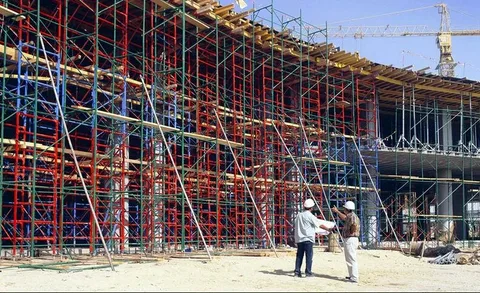
Every residential renovation or construction project in Jersey City, NJ begins with a fundamental question: how do workers safely access elevated areas of a home? The answer lies in residential scaffolding — a structured temporary framework that provides stable, elevated work platforms for contractors, painters, masons, and restoration specialists. Whether you are renovating a historic brownstone in Hamilton Park, re-pointing the façade of a two-family home in Greenville, or repairing a rooftop cornice in the Heights, properly engineered scaffolding systems are the foundation of safe and efficient work.
This article explores the full semantic landscape of residential scaffolding services in Jersey City: what scaffolding is, why safety and compliance matter, the types of scaffolding systems used in residential settings, how to choose the right scaffolding contractor, and the local factors that make Jersey City projects uniquely demanding. By the end, homeowners and property managers will understand exactly what to look for when hiring a scaffolding company for their next project.
What Is Residential Scaffolding and Why Does It Matter?
Residential scaffolding refers to a temporary elevated structure erected around or alongside a home to give workers secure access to areas above ground level. Unlike commercial high-rise scaffolding, residential systems are designed with the particular dimensions, materials, and neighborhood constraints of single-family homes, townhouses, row houses, and multi-family dwellings in mind. In Jersey City — where pre-war brick buildings and narrow streets define large portions of the urban fabric — residential scaffolding must be compact, load-bearing, and engineered to fit tight sidewalk corridors.
The core purpose of scaffolding goes beyond mere access. It creates a controlled work environment that prevents falls, protects passersby from falling tools or debris, and allows multiple workers to operate simultaneously at different heights. Without scaffolding, even routine tasks such as repainting exterior trim or replacing a second-floor window become high-risk activities. In New Jersey, the Occupational Safety and Health Administration (OSHA) mandates fall protection for workers operating at heights above ten feet, making compliant scaffolding not just advisable but legally required.
OSHA Scaffolding Safety Standards and New Jersey Compliance Requirements
Safety is the most critical attribute of any scaffolding system. In New Jersey, scaffolding contractors must comply with OSHA’s Scaffolding Standard (29 CFR 1926 Subpart Q), which governs supported scaffolds, suspended scaffolds, and aerial lifts used in construction and renovation. Key compliance requirements include load-rated platforms capable of supporting at least four times the intended working load, guardrails on all open sides and ends of scaffold platforms more than ten feet above the ground, and personal fall arrest systems for workers on certain scaffold types.
Beyond federal OSHA standards, Jersey City imposes municipal sidewalk shed and scaffolding permit requirements administered through the Department of Housing, Economic Development & Commerce. Any scaffolding erected over a public sidewalk requires a permit, proof of liability insurance, and, in many cases, an engineer’s stamp certifying the structural design. Reputable scaffolding companies in Jersey City will handle all permitting paperwork, coordinate with the city, and maintain valid certificates of insurance — protecting both the contractor and the homeowner from liability.
Key Safety Features to Verify Before Work Begins
- Guardrails and mid-rails on all open platform edges above ten feet
- Toe boards to prevent tools and materials from falling onto pedestrians
- Properly braced and cross-tied frame sections to prevent lateral movement
- Non-slip decking surfaces, especially critical in New Jersey’s wet and icy seasons
- Clear load-capacity markings posted on the structure
- Daily visual inspections by a competent person as defined by OSHA
- Proper base plates and mudsills to distribute load on uneven sidewalks
Types of Scaffolding Systems Used in Jersey City Residential Projects
Not all scaffolding is the same. The architecture of Jersey City’s residential neighborhoods — from ornate Victorian row houses in Van Vorst Park to mid-century brick apartment buildings in Journal Square — demands a range of scaffolding solutions. Understanding the primary scaffolding types helps homeowners communicate clearly with contractors and select the most cost-effective and appropriate system for their specific project.
Frame Scaffolding (Supported Scaffold Systems)
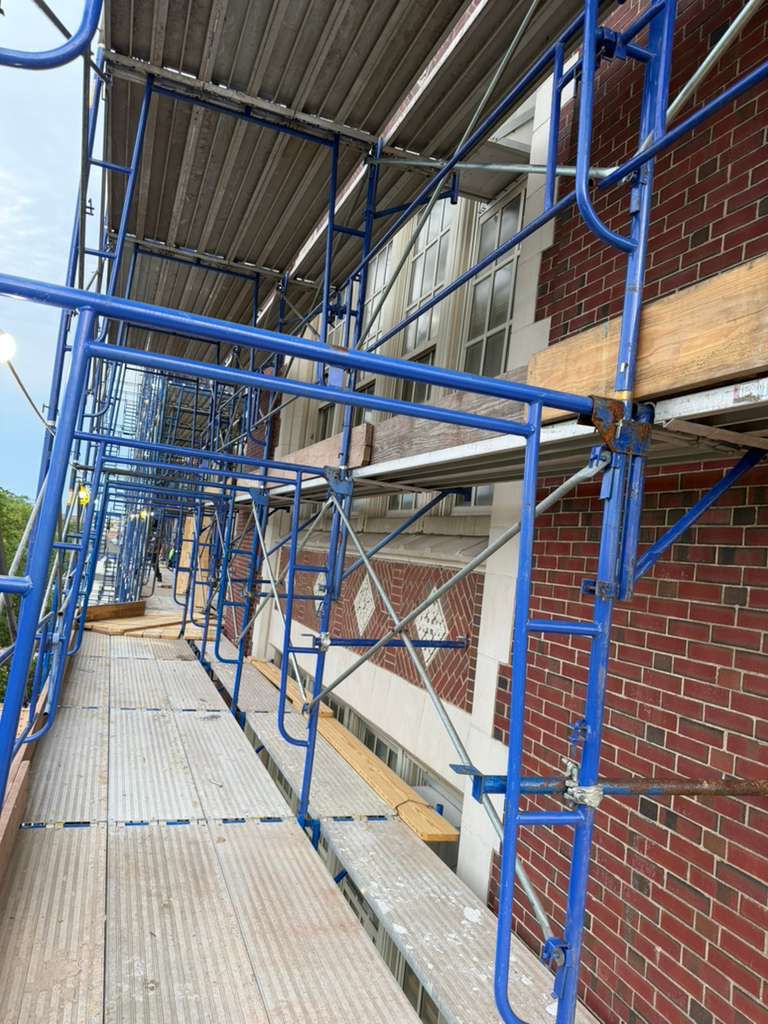
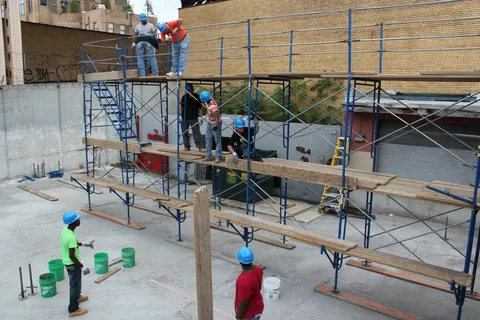
Frame scaffolding is the most widely used scaffolding type in residential construction. It consists of prefabricated welded steel frames connected by cross braces, with plank decking laid across horizontal bearers. Frame systems are modular, allowing crews to build platforms at multiple heights along the face of a home. They are ideal for exterior painting, brickwork, window replacement, and façade restoration on homes up to four or five stories tall. In Jersey City, frame scaffolding is commonly seen on brownstone block renovation projects where crews work across multiple units simultaneously.
Mast Climbing Work Platforms (MCWPs)
Mast climbing work platforms are motorized, self-climbing scaffold systems that travel vertically along one or more mast towers anchored to the building face. They provide large, adjustable-height platforms that can carry substantial loads of materials, making them highly efficient for stucco application, masonry repair, and exterior insulation work on taller residential structures. While more expensive to rent and set up than frame scaffolding, MCWPs dramatically reduce labor time on multi-story projects and are well-suited for Jersey City’s growing stock of four- to six-story residential buildings.
Sidewalk Sheds and Overhead Protection
Jersey City’s dense urban environment means pedestrians walk directly past active work sites. Sidewalk sheds — also called construction canopies — are required by city code whenever overhead work presents a falling object hazard. These structures, built at a minimum height of eight feet over the sidewalk and capable of supporting a specified load, protect pedestrians and parked vehicles from falling debris. Many residential scaffolding projects combine an overhead sidewalk shed with a vertical frame scaffold, creating a safe enclosure around the work area. Choosing a scaffolding company experienced with Jersey City’s specific sidewalk shed permit requirements ensures the project stays on schedule and avoids costly stop-work orders.
Common Residential Scaffolding Applications in Jersey City, NJ
Jersey City’s housing stock includes some of Hudson County’s most architecturally significant residential buildings, many requiring ongoing maintenance and restoration. The following are the most frequent residential applications for scaffolding services in the area:
- Brick repointing and masonry restoration on pre-war row houses and brownstones
- Exterior painting and caulking of multi-story residential buildings
- Window and door replacement on second, third, and fourth-floor elevations
- Roof edge repairs, cornice restoration, and parapet rebuilding
- Stucco removal and application on Italianate and Colonial Revival homes
- Façade cleaning and waterproofing treatments
- Fire escape inspection, repair, and replacement
- Solar panel installation on rooftops requiring elevated access
How to Choose a Scaffolding Contractor in Jersey City, NJ
Selecting the right scaffolding company is as important as selecting the right general contractor. Scaffolding erection and dismantling are specialized trades that directly determine worker safety and project efficiency. When evaluating scaffolding contractors in Jersey City, homeowners and project managers should look beyond price alone and assess the following criteria carefully.
Licensing, Insurance, and Bonding
New Jersey requires scaffolding contractors to hold a valid Home Improvement Contractor (HIC) registration from the Division of Consumer Affairs when working on residential properties. Verify that the company carries general liability insurance with a minimum of one million dollars in coverage, workers’ compensation insurance for all field employees, and an umbrella policy for large projects. Request certificates of insurance naming you as an additional insured — a standard industry practice that protects the homeowner in the event of a jobsite injury.
OSHA-Competent Persons and Trained Crews
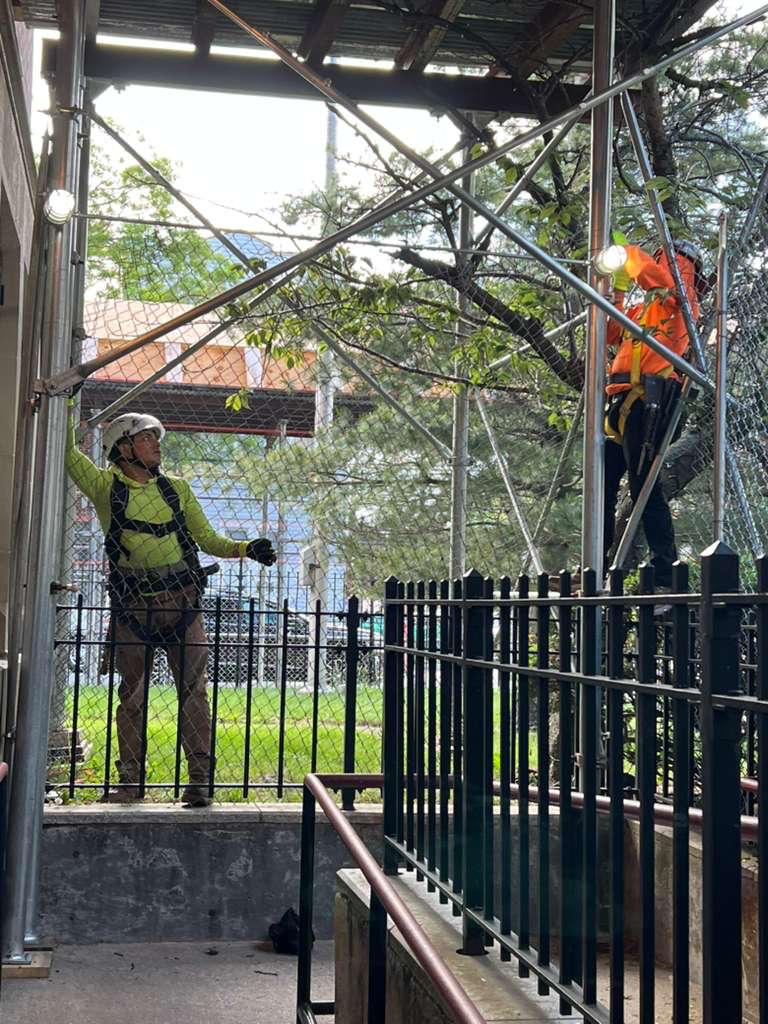
OSHA requires that a competent person — someone with training and authority to identify and correct hazard conditions — oversee all scaffolding erection, moving, and dismantling operations. Ask prospective contractors whether their crew supervisors hold an OSHA 30-hour Construction Safety certification, which demonstrates comprehensive knowledge of fall hazards, scaffold loading, and regulatory compliance. Companies that invest in OSHA training signal a genuine safety culture, not just a box-checking compliance exercise.
Local Experience with Jersey City Permits and Regulations
Jersey City has specific permit requirements, lane closure procedures, and historic district considerations that out-of-area contractors may not know. An established local scaffolding company will have existing relationships with city inspectors, familiarity with the Department of Public Works’ sidewalk permit process, and experience navigating special conditions in landmark neighborhoods such as Paulus Hook and Hamilton Park. This local knowledge saves time, reduces permit delays, and ensures the project proceeds without regulatory interruptions.
Understanding the Cost of Residential Scaffolding in Jersey City
Scaffolding rental and erection costs in Jersey City vary based on several interconnected factors. The height of the building, the linear footage of façade requiring access, the duration of the rental period, the type of scaffolding system, and the complexity of the site all influence the final cost. On average, homeowners in Hudson County should budget between eight hundred and three thousand dollars per week for a residential frame scaffolding installation, with mast climbing systems and sidewalk sheds priced substantially higher due to their size and engineering requirements.
Permit fees add to the overall cost. Jersey City’s sidewalk scaffolding permit fees depend on the length and duration of the installation. Engineers’ stamps, when required, add additional professional fees. Homeowners should request an itemized written proposal that separates the cost of scaffolding supply and erection, permit acquisition, weekly rental fees, and dismantling — ensuring there are no surprise invoices at project completion.
Seasonal and Weather Considerations for Jersey City Scaffolding Projects
Jersey City’s climate — marked by hot, humid summers, variable spring and fall conditions, and cold winters with occasional ice and snow — directly affects scaffolding projects. Winter scaffolding installations require particular attention to ice accumulation on platforms, which can create extreme slip hazards for workers. Scaffolding planks must be kept clear of snow, and anti-slip surfaces or non-slip tape should be applied proactively. During high-wind events, which are common in the waterfront districts of Jersey City, scaffolding must be designed to withstand lateral wind loads specified in the engineer’s design drawings.
Spring and fall are generally the most favorable seasons for exterior residential work in Jersey City, combining mild temperatures with relatively low precipitation. Planning a scaffolding-intensive project for these windows reduces weather-related delays and lowers the risk of cold-temperature masonry mortar failures. Working with a scaffolding contractor who understands the local climate helps homeowners schedule projects strategically and build weather contingencies into the project timeline.
Conclusion: Elevate Safety, Quality, and Value in Your Jersey City Residential Project
Residential scaffolding in Jersey City, NJ is not simply a rental commodity — it is a safety-critical service that determines whether a project is completed efficiently, compliantly, and without injury. From the brownstone-lined streets of Paulus Hook to the diverse residential blocks of Bergen-Lafayette, every exterior renovation project deserves scaffolding designed and installed by qualified professionals who understand local building codes, OSHA requirements, permit processes, and the unique architectural context of Hudson County homes.
When evaluating scaffolding companies, prioritize verified insurance and licensing, OSHA-trained personnel, demonstrable experience with local permits, and transparent, itemized pricing. Ask for references from recent residential projects in Jersey City specifically, and inspect active job sites to assess the quality and safety of the company’s setups firsthand. The right scaffolding partner does not just rent metal tubes and planks — they provide peace of mind, regulatory confidence, and a stable foundation from which your residential project can truly be elevated.