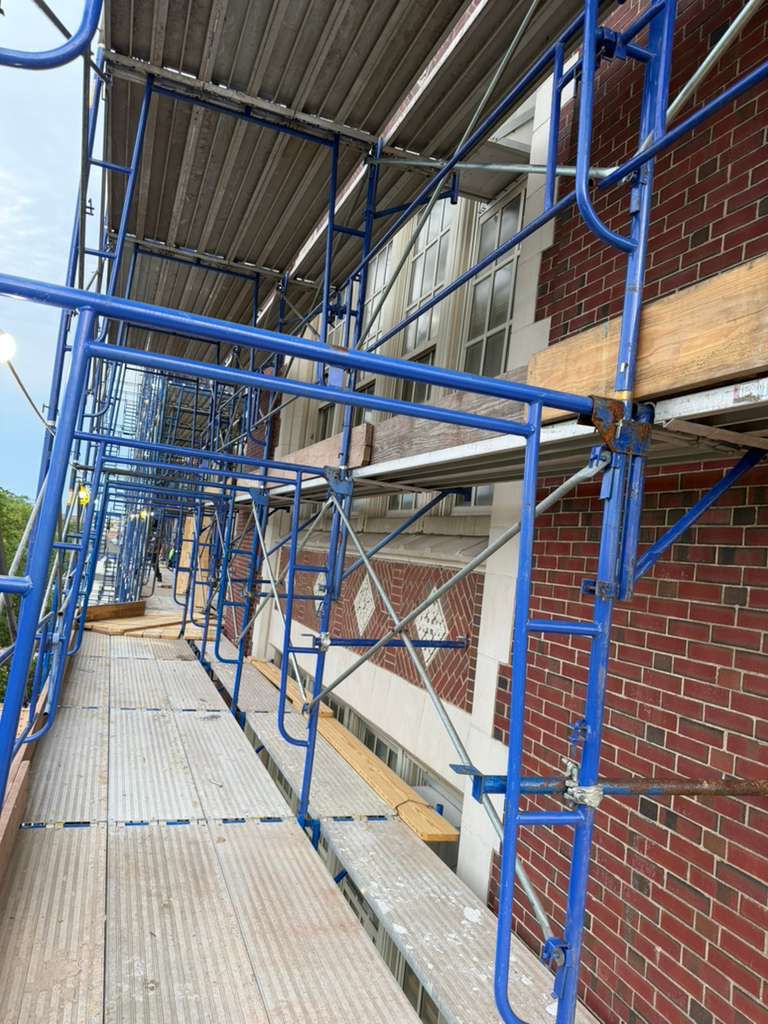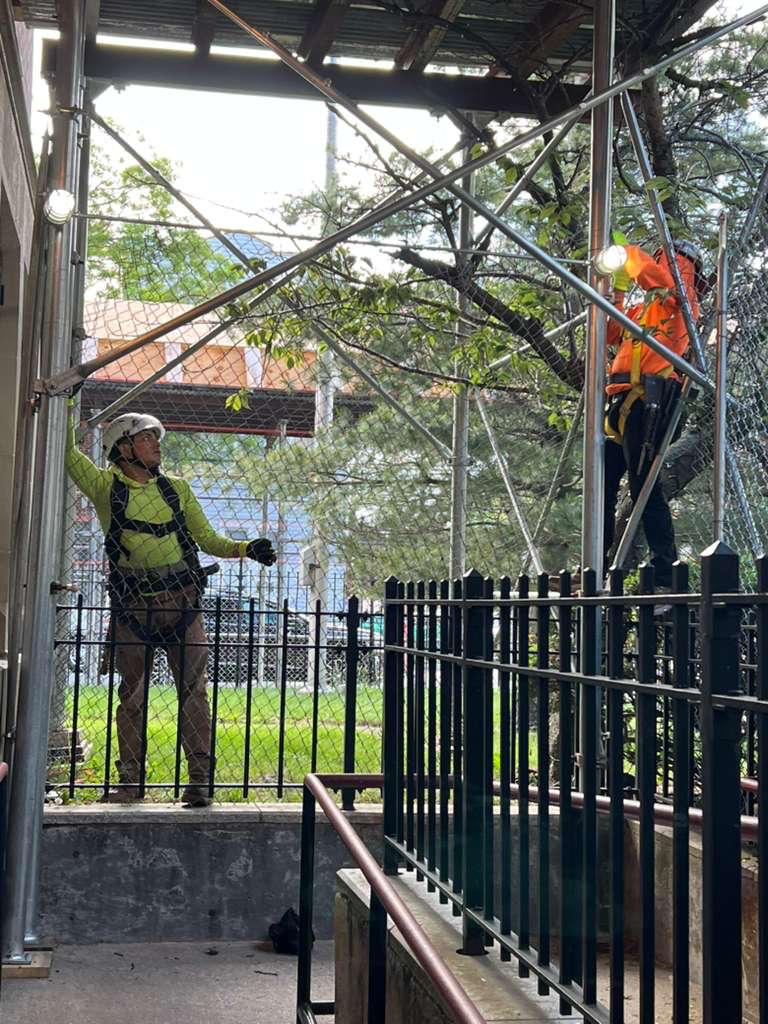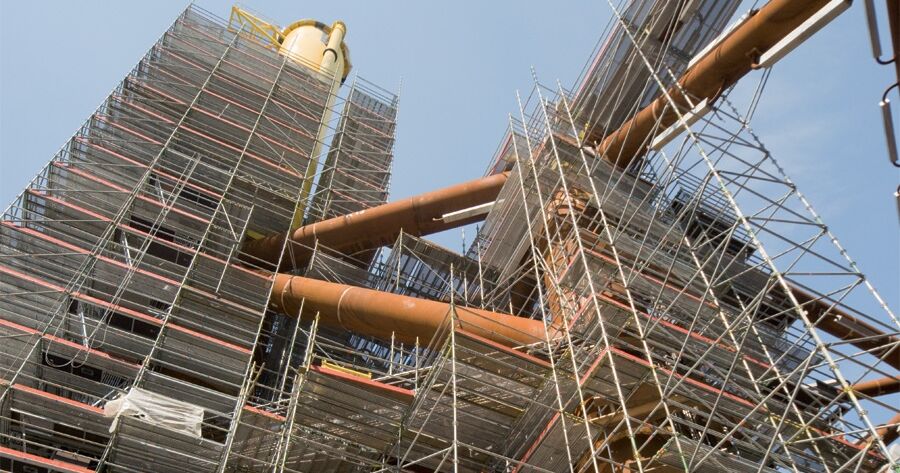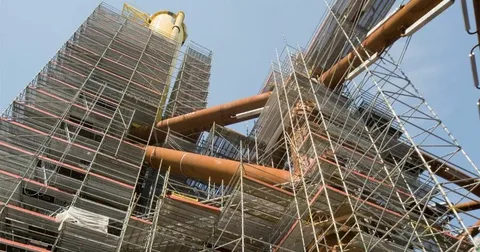
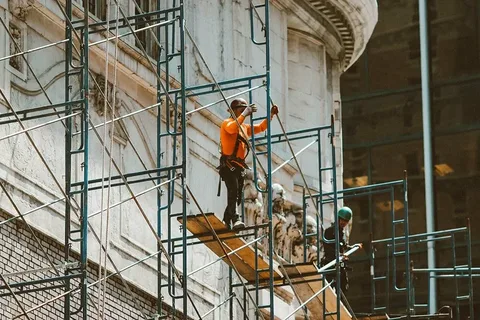
In New York City, a sidewalk shed is not simply a temporary structure — it is a legally mandated public safety system governed by the New York City Department of Buildings (DOB), the New York City Administrative Code, and the Building Code. Whether you are managing a high-rise undergoing Local Law 11 facade inspection, a mid-rise residential building under renovation, or a commercial property conducting structural repairs, understanding the full scope of sidewalk shed installation in NYC is essential to protecting pedestrians, avoiding violations, and controlling project costs.
What Is a Sidewalk Shed and When Is It Required?
A sidewalk shed — formally defined under NYC Building Code Section BC 3307 — is a protective overhead structure erected along the perimeter of a building to shield pedestrians and public right-of-way from falling debris, tools, and construction materials during building facade work, demolition, or significant alteration.
The NYC DOB mandates sidewalk shed installation under the following conditions:
- The building is six stories or taller and is undergoing facade repairs, pointing work, or window replacement.
- Any facade work is being performed on a building adjacent to a public sidewalk, regardless of height.
- A Local Law 11 (now FISP — Facade Inspection Safety Program) inspection has classified the facade as Unsafe or requires remediation.
- Demolition or significant structural alteration is underway on any building.
Critical Insight: Many property owners assume sidewalk sheds are only required for large-scale demolitions. In reality, even minor repointing or window reglazing above the sixth floor triggers a full shed requirement. Failing to erect a required shed before commencing work results in a DOB Stop Work Order and civil penalties.
NYC DOB Permit Requirements for Sidewalk Shed Installation
The permit process for sidewalk shed installation in New York City is governed by strict procedural rules enforced by the NYC DOB’s Bureau of Buildings. A licensed professional engineer (PE) or registered architect (RA) must certify the structural design of any shed, and a New Directive 14 (NDS) or standard DOB permit must be obtained before erection begins.
Key Permit Documents Required
- DOB NOW Build application for a Sidewalk Shed permit.
- Structural calculations stamped by a NYS-licensed PE.
- Site safety plan if the building exceeds 15 stories or involves high-risk work.
- Certificate of Insurance naming the City of New York as an additional insured.
- Consent from the NYC Department of Transportation (DOT) if the shed occupies a lane of traffic or extends into the street.
Once approved, the permit must be posted on-site and renewed every 90 days for standard permits, or annually under an approved Long-Term Maintenance Permit — a mechanism that allows property owners to maintain sheds for the duration of extended facade work without repeated 90-day renewals.
Sidewalk Shed Design and Structural Standards
New York City Building Code Section BC 3307.7 establishes the structural load requirements for sidewalk sheds. Compliance with these standards is non-negotiable and directly tied to permit approval.
Structural Load Requirements
- Live load capacity of 150 pounds per square foot (PSF) minimum. Roof deck:
- Must withstand a minimum 300 PSF impact load. Overhead planking:
- Maximum spacing of 8 feet on center; must be anchored to resist lateral forces. Vertical posts:
- Minimum 8 feet of vertical clearance from the sidewalk surface to the underside of the shed roof. Clearance:
- Artificial lighting must be provided inside the shed to maintain pedestrian safety at all hours. Lighting:
Modern engineered aluminum sidewalk sheds have largely replaced traditional timber-framed systems due to faster erection times, superior load ratings, and the ability to be reused across multiple projects. However, timber systems remain code-compliant when properly engineered and inspected.
Cost Breakdown: Sidewalk Shed Installation in NYC
Sidewalk shed installation costs in New York City vary significantly based on building height, shed length, duration of use, and the structural complexity of the design. Below is a professional cost framework based on current market rates.
- $2,500–$8,000 depending on complexity and PE involvement. Permit and engineering fees:
- $100–$200 per linear foot for standard aluminum modular sheds. Installation (per linear foot):
- $15–$35 per linear foot per month for rental-based systems. Monthly rental fee:
- $50–$120 per linear foot after work completion. Removal and demobilization:
- $500–$2,500 depending on duration and traffic impact. DOT lane permits (if applicable):
Real-World Example: A 100-linear-foot shed on a 12-story Upper West Side residential building undergoing Local Law 11 facade repairs might cost $12,000–$18,000 for installation, $2,500 per month in rental, and $7,000 in PE and permit fees — for a total first-year investment of approximately $49,000–$57,000. Understanding this cost structure upfront prevents budget shortfalls during active facade work
Choosing a Licensed Sidewalk Shed Contractor in NYC
Not every general contractor is qualified to install a sidewalk shed in New York City. The DOB requires that shed erection be supervised by a licensed Site Safety Manager (SSM) on high-risk projects, and all contractors must carry specific licensing tied to their trade classifications.
When evaluating sidewalk shed contractors, verify the following:
- Active NYC DOB contractor registration number.
- NYS Workers Compensation and General Liability insurance certificates.
- Experience with FISP (Local Law 11) shed projects specifically.
- References from comparable projects in your borough and building typology.
- Written scope of work that explicitly covers permit procurement, engineering, installation, monthly inspection, and removal.
Avoid contractors who offer verbal quotes without a formal permit application process. In NYC, a shed installed without a valid DOB permit exposes the property owner — not the contractor — to civil liability and penalties.
Local Law 11 (FISP) and the Sidewalk Shed Connection
The Facade Inspection Safety Program (FISP), enacted under Local Law 11, requires owners of buildings taller than six stories to conduct periodic professional facade inspections and file reports with the DOB on a five-year cycle. When a FISP report classifies a facade condition as Unsafe, the owner must immediately erect a sidewalk shed and commence remediation within 180 days.
This connection between FISP and sidewalk shed installation is one of the most significant drivers of shed demand across Manhattan, Brooklyn, Queens, and the Bronx. Buildings in Cycle 9 (2020–2024) and Cycle 10 (2025–2029) face heightened scrutiny, and the DOB has increased enforcement actions against owners who defer remediation.
Proactive Strategy: Property owners who anticipate Unsafe classifications based on building age and material type should prequalify contractors and obtain preliminary engineering assessments before filing the FISP report. This reduces the emergency premium pricing often associated with rushed shed installations.
Maintenance, Inspection, and Permit Renewal
An installed sidewalk shed is not a passive structure. NYC Building Code requires that active sheds be inspected by a competent person on a monthly basis, with written inspection records maintained on-site. Planks must be replaced when damaged, lighting must remain functional, and the shed perimeter must be kept free of obstructions.
Permit renewal — every 90 days for standard permits — requires the filing of a renewal application through DOB NOW, payment of renewal fees, and certification that the shed remains in a safe condition. Expired permits trigger DOB violations and may result in mandatory shed removal at the owner’s expense.
Conclusion: Sidewalk Shed Installation as a Risk Management Decision
In New York City’s regulatory environment, sidewalk shed installation is simultaneously a legal obligation, a public safety responsibility, and a significant capital expenditure. Property owners who approach it with structured planning — engaging licensed engineers early, understanding DOB permit timelines, and selecting experienced contractors — consistently achieve better cost outcomes and avoid the compounding penalties that come from non-compliance.
Whether you are responding to a Local Law 11 Unsafe classification, planning a major facade renovation, or preparing for demolition, the sidewalk shed is the first and most visible signal of professional project management in New York City’s built environment.
Need a licensed sidewalk shed contractor in NYC? Always verify DOB registration, confirm permit procurement is included in your contract, and request monthly inspection documentation throughout the duration of your project.