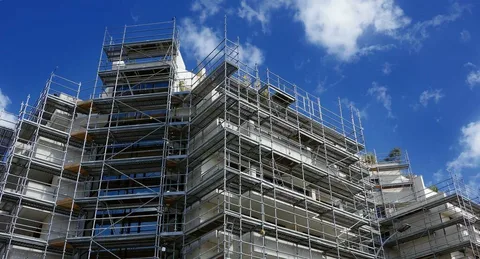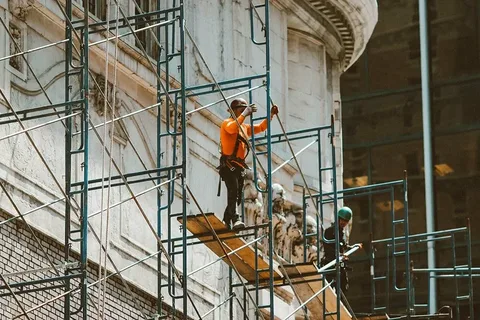
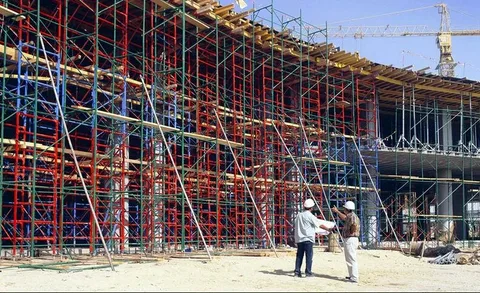
If you’re involved in a construction or renovation project in Manhattan, chances are you’ve come across scaffolding. It’s not just a structure; it’s an essential part of getting the job done right. From high-rise buildings to historical renovations, commercial scaffolding ensures workers can access hard-to-reach areas safely and efficiently.
In a city like Manhattan, with its dense skyline and strict building codes, picking the right scaffolding system is critical for meeting project deadlines, maintaining worker safety, and staying compliant with regulations. In this guide, we’ll walk you through the key aspects of commercial scaffolding, the different types available, the benefits of professional scaffolding, and the safety and regulatory measures to keep in mind.
What Exactly is Commercial Scaffolding?
Simply put, commercial scaffolding is a temporary framework used around buildings to support workers, materials, and tools at height. Whether it’s for constructing new buildings, making repairs, or doing a simple facelift on a facade, scaffolding ensures that workers can safely access areas that are too high or dangerous to reach with ladders.
But unlike scaffolding used for smaller residential projects, commercial scaffolding is built to handle larger work areas, higher elevations, and more substantial loads. This is especially important in Manhattan, where space is limited and projects tend to be high-stakes.
Why Scaffolding is So Crucial in Manhattan
Manhattan is always buzzing with construction. From massive office buildings to sleek condos, the city is in a constant state of evolution. In such a fast-paced environment, scaffolding is essential for a few key reasons:
-
Worker Safety: A secure scaffold platform minimizes the risk of falls, ensuring workers can do their job without unnecessary accidents.
-
Accessibility: Scaffolding makes it easy to access those tricky parts of a building, whether you’re installing windows on a skyscraper or working on a roof.
-
Regulatory Compliance: New York City has strict safety codes and building requirements, and scaffolding must meet these standards. Having the right scaffolding ensures you avoid fines and delays.
-
Efficiency & Productivity: With proper scaffolding in place, workers can get to the job faster, which means projects are completed on time, or even ahead of schedule.
In Manhattan’s fast-moving construction environment, scaffolding isn’t just a tool — it’s a necessity that keeps things running smoothly and safely.
Types of Commercial Scaffolding Systems
There are various types of scaffolding, each designed to meet different project needs. In Manhattan, where every project can vary greatly, it’s important to choose the right type. Here are some of the most common:
1. Frame Scaffolding
Frame scaffolding is one of the most common choices for commercial projects. It’s durable, easy to set up, and flexible enough to be used in a variety of building types. It provides solid support for both interior and exterior access.
2. Suspended Scaffolding
If you’re working on a tall building, suspended scaffolding is the way to go. This system hangs from the top of the structure using ropes or cables, making it perfect for work on facades or windows. The best part? It can be raised or lowered as needed, giving workers flexibility.
3. Rolling Scaffolding
If your project involves frequent movement across the site, rolling scaffolding is ideal. Mounted on wheels, it can be easily moved from one part of the building to another without requiring disassembly. This is perfect for projects that require consistent mobility.
4. Custom Scaffolding Solutions
No two buildings are alike, especially in Manhattan, where architectural designs vary. Custom scaffolding is built to meet the unique needs of your project, ensuring maximum safety and accessibility no matter the shape or height of the building.
Choosing the right scaffolding system depends on the specifics of your project — from how tall the building is, to how much weight needs to be supported. It’s all about making sure your team has the safest, most efficient platform to work on.
Why You Should Invest in Professional Scaffolding Services
There’s a lot more to scaffolding than just setting up a few poles. When you hire a professional scaffolding service, you’re not just ensuring safety and compliance, but also optimizing your project’s efficiency. Here’s why professional scaffolding matters:
1. Enhanced Safety for Workers
Scaffolding provides a stable and secure platform, reducing the risk of falls. Workers can focus on getting the job done without worrying about their safety. Plus, regular inspections and safety checks ensure that everything is up to code.
2. Boosted Productivity
With the right scaffolding in place, workers can move around freely and get to their work areas without delay. No more wasting time repositioning ladders or figuring out how to reach high spots. This leads to faster completion times.
3. Cost-Effective for Your Project
Though it may seem like an additional cost at first, investing in professional scaffolding can save you money in the long run. By preventing accidents, reducing downtime, and avoiding costly regulatory fines, it makes the entire project more efficient.
4. Flexible for Any Project
Whether it’s a quick maintenance job or a large-scale renovation, professional scaffolding services can adapt to your project’s size and needs. You get exactly what you need, no more, no less.
Hiring experts ensures that everything is handled correctly, from initial design to installation and dismantling, which ultimately leads to a smoother and safer project.
Permits, Safety Codes, and Regulations You Need to Know
When working in Manhattan, you can’t afford to ignore local regulations. The city’s strict safety codes and building requirements ensure that scaffolding is installed and maintained properly, for both the safety of workers and the public. Here’s what you need to know:
-
Building Permits: Before scaffolding can be set up, you must obtain a permit from the NYC Department of Buildings. This ensures that the scaffolding design meets city requirements.
-
Regular Inspections: Scaffolding needs to be inspected regularly by licensed professionals to ensure it remains safe and secure throughout the project.
-
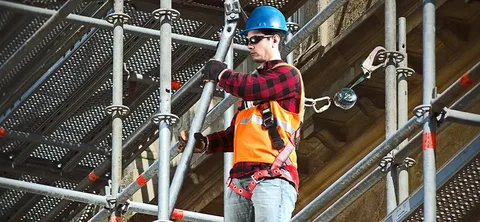
Worker Certification: Anyone involved in the setup or removal of scaffolding must be trained and certified. This ensures that your team follows best practices and safety standards.
-
Adhering to Safety Codes: From load limits to guardrails, NYC has strict guidelines that must be followed to prevent accidents. Adhering to these standards keeps everyone safe and avoids fines.
Keeping your scaffolding up to code is crucial to ensuring your project stays on track and within budget. It also keeps you compliant with NYC’s rigorous safety standards.
How to Get Started with Commercial Scaffolding
If you’re planning a commercial project in Manhattan and need scaffolding, here’s how to get started:
-
Assess Your Project Needs: Think about what type of scaffolding you’ll need based on the building size and project requirements.
-
Consult with Professionals: Talk to an experienced scaffolding service provider who can help you determine the best solution for your project.
-
Secure Permits: Make sure you have the necessary permits in place to avoid any delays or issues down the road.
-
Monitor Safety: Ensure that the scaffolding is inspected regularly, and that workers are properly trained and certified.
-
Plan for Dismantling: Once the project is done, plan for the safe and efficient removal of scaffolding.
Conclusion
Commercial scaffolding is essential for any construction or renovation project in Manhattan. With the right scaffolding system in place, you can ensure worker safety, enhance productivity, and meet local regulatory requirements. Whether you’re renovating a high-rise or constructing a new commercial space, scaffolding is the key to getting the job done safely and efficiently. Choose the right provider, and your project will be off to a great start.