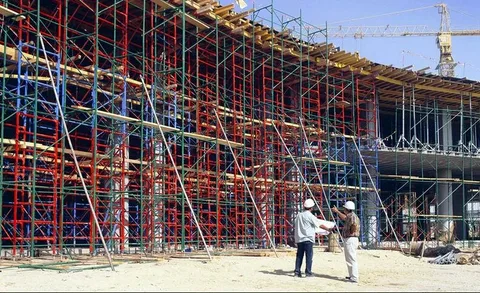
Scaffolding is an essential component in construction, renovation, and maintenance, providing a safe and reliable platform for workers to reach high places and perform their tasks. In a bustling city like New York, with its towering skyscrapers and complex building designs, scaffolding companies are indispensable for ensuring that projects are completed efficiently, safely, and in compliance with regulations. This blog post will explore the importance of scaffolding companies in New York City (NYC), the services they provide, and how they contribute to the construction industry’s success.
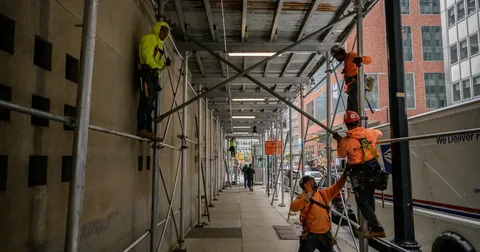
Understanding Scaffolding in NYC Construction
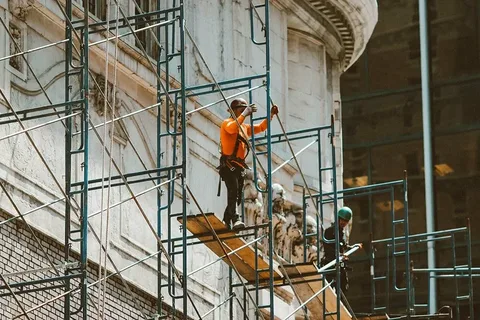
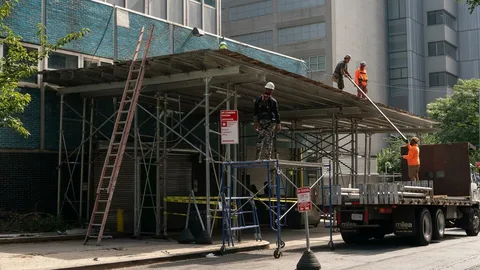
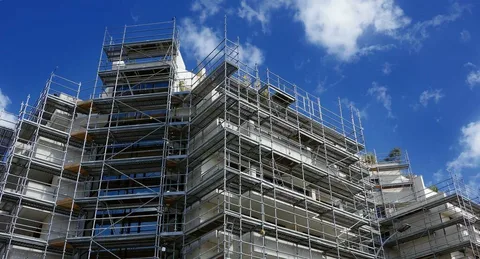
Scaffolding refers to temporary structures used to support work crews, materials, or both during the construction, maintenance, or repair of buildings. These structures can range from simple platforms to elaborate multi-tiered systems that support large-scale projects. In a city like NYC, where real estate development is constant and the skyline is ever-evolving, scaffolding serves as a crucial safety tool.
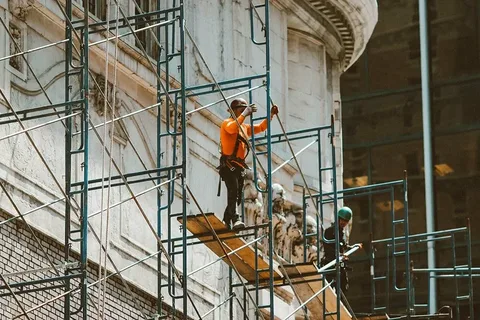
The Importance of Scaffolding Companies in NYC
The towering buildings that define NYC’s skyline are complex and sometimes unpredictable, making scaffolding companies in the city essential to the construction process. Scaffolding companies not only provide the necessary infrastructure but also ensure that the construction process meets the highest safety standards.
Safety Compliance
Construction sites are inherently dangerous environments, especially when working at heights. Scaffolding provides a secure base for workers, preventing falls and facilitating the smooth transportation of materials and tools. In New York City, construction safety regulations are strict, and scaffolding companies must adhere to OSHA (Occupational Safety and Health Administration) standards and NYC’s specific construction codes. These regulations ensure that the scaffolding is sturdy, properly assembled, and can withstand the weight of the workers and materials it supports.
Efficiency and Productivity
With the busy nature of NYC construction, time is often of the essence. Scaffolding companies provide efficient solutions that allow workers to access different parts of a building safely and quickly. By offering a range of scaffolding options, such as suspended scaffolding, rolling scaffolding, or aerial work platforms, these companies enable construction projects to move forward without delays caused by accessibility issues.
Adaptability to Unique Building Designs
New York City is known for its architectural diversity, with structures ranging from historic buildings to modern skyscrapers. Scaffolding companies in NYC must adapt their designs and solutions to meet the unique challenges presented by each building. For example, the design of scaffolding for a historic brownstone building will differ significantly from that needed for a high-rise condo building or a commercial skyscraper. The ability to customize scaffolding systems to fit specific needs ensures that construction projects can proceed smoothly regardless of the building’s complexity.
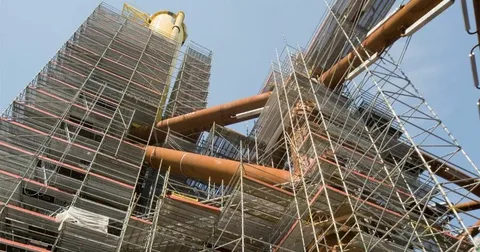
Business Goals for Scaffolding Companies
Scaffolding companies in NYC have clear business goals that guide their operations. Some common objectives for these companies include:
-
Safety Leadership: To be recognized as the leading provider of safe, durable, and compliant scaffolding solutions in NYC.
-
Customer Satisfaction: To meet or exceed the needs of clients by offering reliable and cost-effective scaffolding services.
-
Innovation: To remain at the forefront of the industry by adopting new technologies and materials that improve the efficiency and safety of scaffolding systems.
-
Sustainability: To reduce the environmental impact of scaffolding operations, including waste reduction, material reuse, and minimizing carbon footprints.
Defining the Value Proposition of Scaffolding Companies
The value proposition of a scaffolding company centers on delivering reliable, safe, and cost-effective services that meet the needs of construction projects. Key strengths of scaffolding companies include:
-
Experience and Expertise: Companies with extensive experience in NYC’s complex construction environment bring valuable knowledge to the table. Understanding local regulations, building types, and logistical challenges is a major selling point.
-
Customization and Flexibility: A scaffolding company that can offer tailored solutions for unique building designs or specific project requirements will stand out from the competition.
-
Safety and Compliance: A strong commitment to maintaining high safety standards and ensuring compliance with NYC’s construction codes is crucial for building trust with clients and workers.
-
Cost-Effectiveness: In a competitive market like NYC, providing cost-effective scaffolding services that don’t compromise on safety and quality is a significant advantage.
Effective Communication and Branding
Communication is key to scaffolding companies as they establish their presence in the competitive NYC market. Companies can craft clear, compelling messages that highlight their strengths and establish credibility. This can include:
-
Creating educational content around the importance of scaffolding safety.
-
Using case studies to demonstrate their expertise in managing complex scaffolding projects.
-
Leveraging customer testimonials and reviews to build trust in their services.
Effective branding, paired with strategic communication, helps scaffold companies differentiate themselves in a crowded marketplace and position themselves as leaders in construction safety.
Conclusion
Scaffolding companies in New York City play an indispensable role in the construction industry, ensuring that building projects are completed safely, efficiently, and in compliance with regulatory standards. By focusing on safety, customer satisfaction, innovation, and sustainability, scaffolding companies can achieve long-term success. In a city like NYC, where construction is a constant and demanding process, scaffolding companies are the backbone that supports the skyline’s growth while ensuring worker safety and project success.