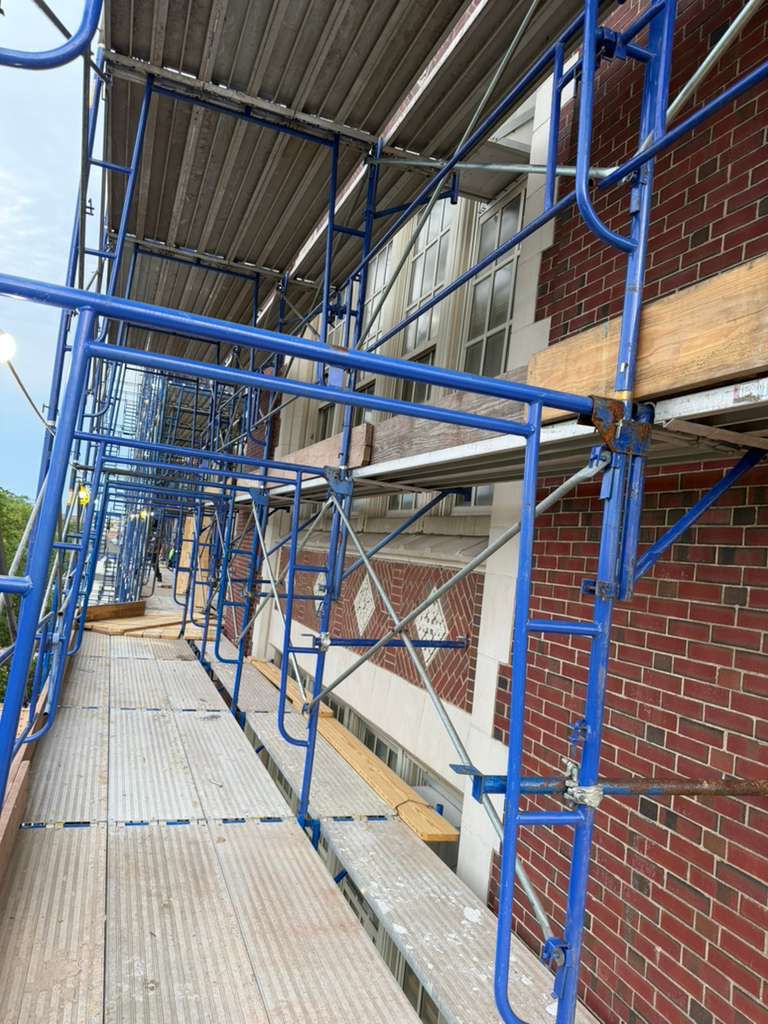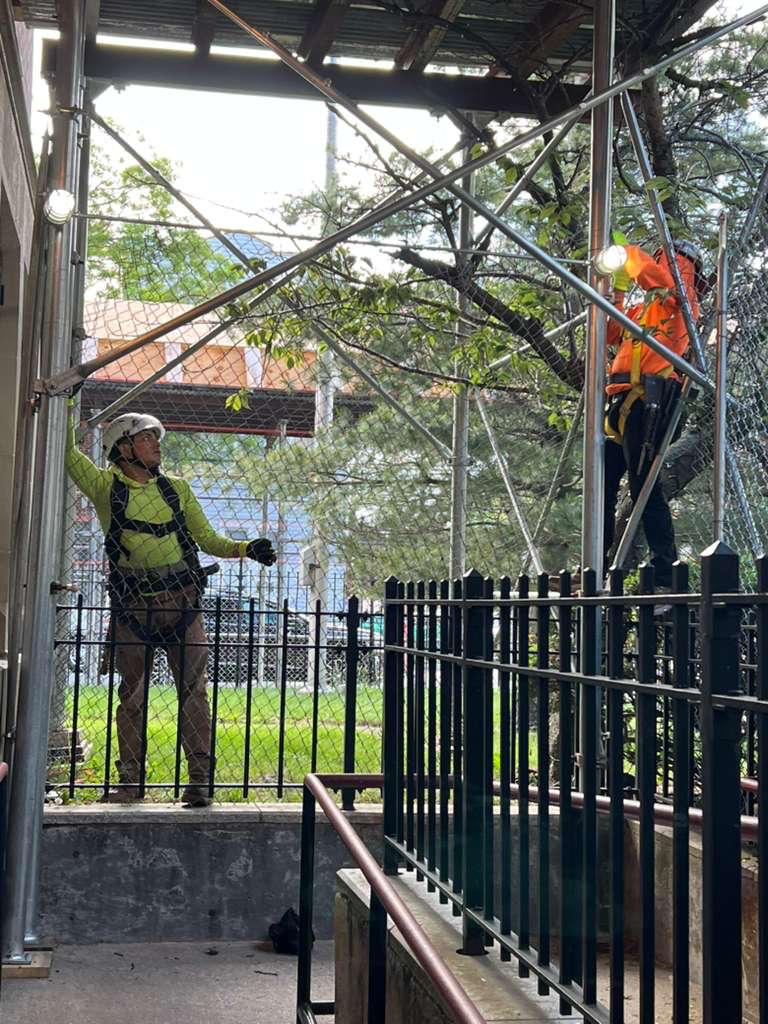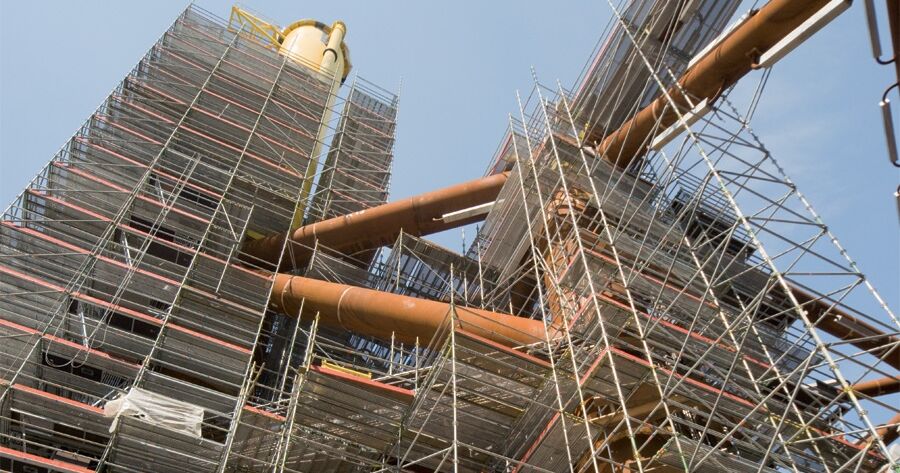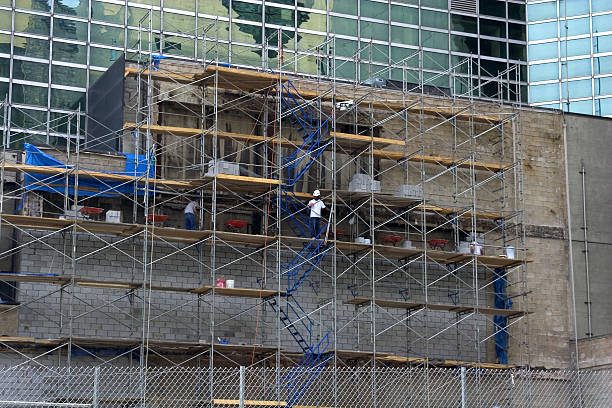
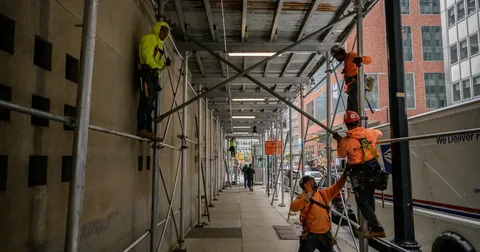
If you own or manage a building in New York City, there’s a good chance a sidewalk shed will end up in your future, and a bigger chance you’ll have questions about what it costs. These steel-and-plywood canopies are everywhere in the five boroughs for a reason: the city has more than 9,000 of them, stretching over 400 miles of sidewalk. For property owners, the real question isn’t whether you’ll need one, but how much you’ll pay each month once it goes up.
The short answer is that monthly sidewalk shed costs in NYC are far less predictable than most owners expect, because they depend on how the shed is priced, how long it stays up, and how big your building is. This guide breaks down the pricing models, what a typical monthly bill looks like, and how to keep those numbers under control.
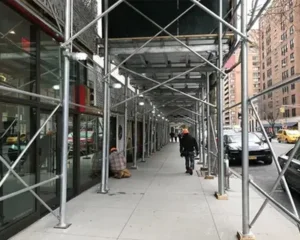
Why NYC Has So Many Sidewalk Sheds
To understand the cost, it helps to understand the demand. Most sidewalk sheds in New York go up because of Local Law 11, also known as the Facade Inspection Safety Program (FISP). The law requires buildings taller than six stories to have their exterior walls inspected by a qualified professional every five years. When an inspection turns up unsafe conditions, or even conditions that could become unsafe, the building owner is generally required to install a sidewalk shed to protect pedestrians from falling debris while repairs are planned and carried out.
Sheds also appear during new construction, major renovations, roofing work, and demolition. In each case, the goal is the same: keep the public safe from anything that might fall from above. Because so many NYC buildings fall under these rules at any given time, sidewalk shed rental has become a multi-billion-dollar industry, and prices reflect the city’s high labor costs, permit requirements, and steady demand.
How Sidewalk Shed Rental Is Actually Priced
Here’s where a lot of confusion starts. Sidewalk sheds aren’t priced like a simple monthly subscription. Two pricing structures dominate the NYC market, and the one your contractor uses changes your monthly bill significantly.
1. The bundled installation-plus-initial-period model. This is the most common approach for full-service jobs. The contractor charges a single rate per linear foot of shed that covers installation, the equipment, and an initial rental window, usually the first three months. Industry figures from NYC engineering and scaffolding firms put this bundled rate at roughly $125 to $180 per linear foot. After that initial period ends, you switch to a monthly rate that’s typically calculated as about 5% to 6% of the original installation cost.
2. The straight per-linear-foot monthly model. Some scaffolding companies, especially for smaller residential jobs, simply quote a recurring monthly rate of around $15 to $35 per linear foot per month, with installation and removal billed separately. This model is easier to understand month to month, but you’ll want to confirm whether teardown and permit fees are included.
A third variation, used by some providers, is a defined initial lease period followed by a flat recurring fee. For example, a shed might come with a 90-day initial lease included in the project price, after which a flat monthly charge of a few hundred dollars applies for as long as the shed stays up. If you want a sense of how lease terms and recurring fees are typically structured, our scaffolding rental in New York page lays out a transparent example of initial lease windows and monthly pricing.
What You’ll Actually Pay Per Month: A Worked Example
Abstract per-foot rates only get you so far, so let’s run real numbers.
NYC code generally requires a sidewalk shed to extend beyond the width of the building, often about 20 feet on each side for taller buildings. So a building with a 100-foot-wide frontage might need a shed roughly 140 linear feet long.
Using the bundled model at $150 per linear foot, that 140-foot shed would cost about $21,000 for installation and the first three months combined. Once that initial period ends, the monthly rate at roughly 6% of the install cost works out to around $1,200 to $1,500 per month for as long as the shed remains in place.
A smaller building tells a different story. A modest brownstone or low-rise with, say, a 40-foot shed billed at $25 per linear foot per month would run closer to $1,000 per month, plus separate installation and removal charges that might add a few thousand dollars up front.
The pattern is clear: the first few months carry the heaviest cost because installation labor is front-loaded, and the ongoing monthly rate is comparatively modest. That’s exactly why sheds tend to linger, an owner who has already absorbed the install cost has little financial incentive to take it down quickly. More on why that’s a costly mistake below.
The Factors That Move Your Monthly Bill
No two sidewalk shed quotes are identical, because several variables push the price up or down:
- Building height and shed length. Taller buildings need stronger, taller sheds and longer overhangs, which means more material and labor. Length is the single biggest driver since most pricing is per linear foot.
- Site complexity. Driveways, subway entrances, bus stops, ADA-compliant ramps, and busy commercial corridors all complicate installation and raise costs.
- Duration. The longer the shed stays up, the more months you pay. Long-term rentals sometimes come with negotiated discounts, but the meter keeps running.
- Permits and compliance. A Department of Buildings permit is required before any sidewalk shed goes up, and permit coordination, inspections, and lighting all factor into the total. You can monitor existing permits and renewal status through our overview of active sidewalk shed permits.
- Lighting and maintenance. Sheds must be lit, and after installation the owner is usually responsible for daily inspection logs and ongoing upkeep, including replacing lights.
- Emergency installations. If a shed is needed urgently after a failed inspection, expect a premium of 20% to 30% over standard rates for the speed.
The Real Cost of Leaving a Shed Up Too Long
The recurring monthly fee might look small next to the upfront install cost, but the indirect costs are where owners get hurt. A 2024 study commissioned by the city found that businesses in buildings with sidewalk sheds saw between roughly $3,900 and $9,500 less in monthly customer spending, with restaurants and bars hit hardest. Sheds darken storefronts, hide signage, and make sidewalks feel less inviting.
The city has taken notice. Under the “Get Sheds Down” initiative, NYC has stepped up enforcement against expired permits, pursued the worst repeat offenders, and begun allowing alternatives like safety netting and even artwork on sheds. For owners, the takeaway is straightforward: a shed that sits up for years isn’t just an ongoing rental line item, it’s lost tenant goodwill, reduced foot traffic, and growing regulatory scrutiny.
How to Keep Your Monthly Costs Down
The good news is that monthly sidewalk shed expenses are manageable with a bit of planning:
- Get a detailed, itemized quote. Make sure you understand exactly what the per-foot rate covers, installation, the initial lease period, permits, lighting, and removal, so there are no surprises on the monthly invoice.
- Plan repairs before the shed goes up. The shed should be a companion to active facade work, not a substitute for it. Lining up your repair contractor in advance shortens the rental window dramatically.
- Don’t let permits lapse. Expired permits invite fines and complications. Track renewal dates closely.
- Choose a contractor who handles compliance for you. A provider who coordinates DOB permits and installs to code reduces the risk of costly delays and re-work. Our scaffolding installation services page outlines how a full-service install keeps projects on schedule and compliant from day one.
- Schedule removal promptly. Most providers need a couple of weeks’ notice to dismantle. The moment repairs are signed off, start the clock on teardown so you stop paying for a shed you no longer need.
The Bottom Line
For most NYC buildings, a sidewalk shed represents a meaningful upfront installation cost, often in the tens of thousands for the first three months, followed by a recurring monthly fee that can range from a few hundred dollars on a small residential job to well over $1,000 on a larger building. The exact figure depends on your building’s size, the shed’s length, site conditions, and how long it stays in place.
The smartest way to control that monthly number is to treat the shed as a temporary safety measure tied to a clear repair timeline, not a permanent fixture. Get a transparent quote, keep your permits current, and work with a contractor who manages compliance so you’re never paying for delays.
If you’d like a clear, itemized estimate for your building, our team can walk you through lease terms and monthly pricing with no guesswork. Contact Scaffolding Shed for a free consultation and a competitive quote anywhere in the five boroughs.
Pricing figures in this article reflect general NYC market ranges and are for planning purposes only. Your actual cost will depend on a site-specific quote.